
Street Address
City, State, Zip
Phone Number
Your Custom Text Here

Featured
CollegeGambling.org reports that approximately 75% of college students have gambled in the past year. 18% reported gambling weekly. A survey of over 3,500 students conducted by the National Collegiate Athletic Association (NCAA) found that around 67% of on-campus students are bettors.
We all know and love our little campus on the mountain. We also know that this campus could sometimes use a little TLC. I reached out to Corey Dupree, director of Facilities Management, to see what things were slated to be worked on this summer. Here are the highlights:
Featured
I am the rare Covenant College English major who doesn’t like Flannery O’Connor.
I’ll admit I am sympathetic to her project; she is a Christian and aims to show grace in a dark world. This is noble; my problem is with her means, not her ends.
Since September 2022, I've been using a Light Phone as my primary phone, very different from the usual smartphones most people use in their day-to-day life. I've had plenty of people ask me why I made the switch to a dumbphone (and why I've shelled out lots of money for one!). Well, I figured I'd answer that more fully in this article.
The end of the semester looms closer and closer. By the time you’re reading this, there will likely be only a few weeks of school left—probably less than that. And with this time crunch comes stress, panic and anxiety about both academic performance and finishing the year.
Featured
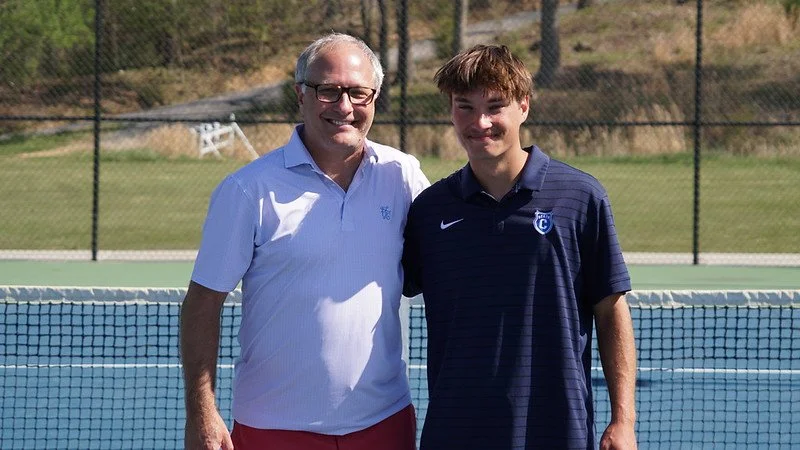
Jacob Eldridge is a class of ’26 computer science major and has played tennis for Covenant College the past four years. Eldridge graduates this May, and he plans on taking Covenant’s Master’s Program in Teaching. I took some time this week to ask him about his time on the team.
Ethan Saiki ’27 is a junior pre-engineering major here at Covenant College. He has spent the past three years on the cross country (XC) and track and field teams. His college journey began with being named the Collegiate Conference of the South (CCS) Cross Country Rookie of the Year in 2023.
On Saturday, April 11, 2026, the Denver Pioneers, one of college hockey's premier teams, came from behind against the Big Ten's Wisconsin and won 2-1. The wildest part of this? This was Denver's third hockey national title in ... five years!
The Bagpipe is the student-run newspaper of Covenant College. The views expressed herein do not necessarily reflect those of the College or of the student body.
View our Privacy Policy and our Comments Policy.
This semester, Covenant bids farewell to two beloved staff members, Denny Wise, a campus security officer, and Nesha Evans, the associate dean of students for student life. Both have worked at Covenant for around seven years.